“Where Old Hollywood Lived and New Community Lives On”


“Where Old Hollywood Lived and New Community Lives On”
Sinatra’s piano-shaped pool. Hedy Lamarr’s hideaway. The architects who invented “Palm Springs modern” — living on the same streets. This is the remarkable story of our neighborhood.
Where It All Began
On New Year’s Eve 1927, developer Prescott T. Stevens debuted the El Mirador Hotel — a pink Spanish Colonial Revival palace with 200 rooms, an Olympic-size pool, stables, tennis courts, and a private golf course. It became one of the great publicity engines behind Palm Springs’ rise as Hollywood’s winter playground.
Lucille Ball, Clark Gable, Marlene Dietrich, and swimming stars like Johnny Weissmuller and Esther Williams were photographed here. Each winter, Amos ’n’ Andy was broadcast to the nation from a studio in the hotel’s tower.
When the golf course closed, its land was subdivided — El Mirador Estates (1935–36) — and much of what is now Movie Colony East grew from those fairways. Celebrity culture here wasn’t an accident; it was cultivated. Our neighborhood inherited the brand.
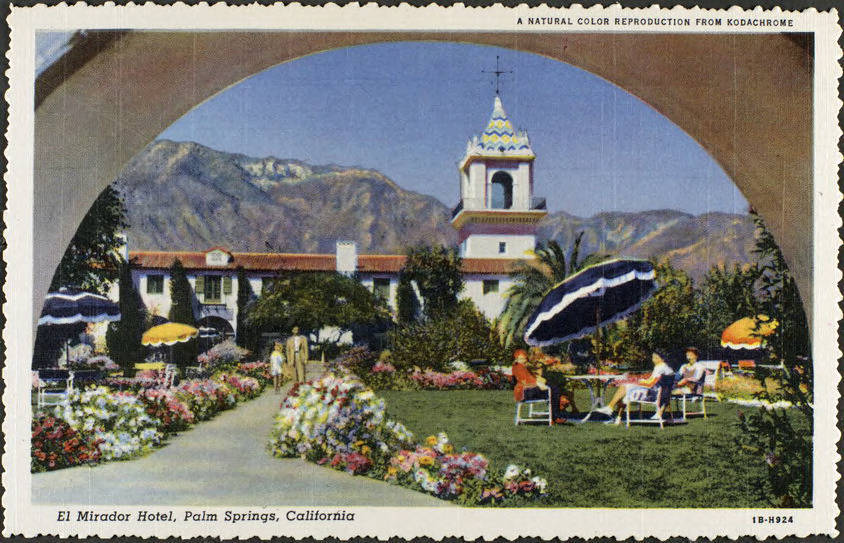
A 1941 Kodachrome postcard
of the El Mirador — the beacon that put this corner of the desert on Hollywood’s map.
Curt Teich Postcard Archives, Newberry Library · Public domain
The Star Map
In progress — identifying star addresses in MCE.
An illustrated (and lovingly not-to-scale) map of the legends and landmark homes of Movie Colony East. Hover a star for details; homes are private residences — please admire from the street. Source: Palm Springs Celebrity Tours and Desert Sun archives.
The Faces Behind the Addresses
The numbers on the map above belonged to people. Here they are, photographed around the years they were spending winters on these streets.
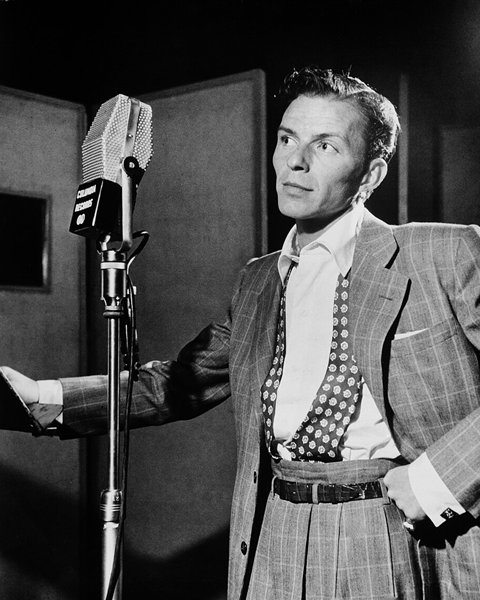
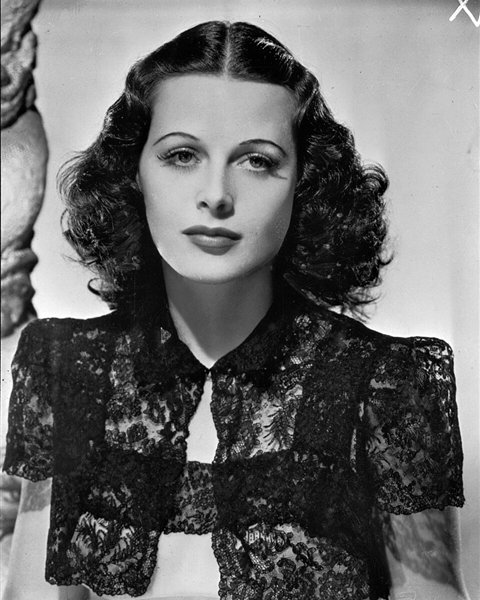
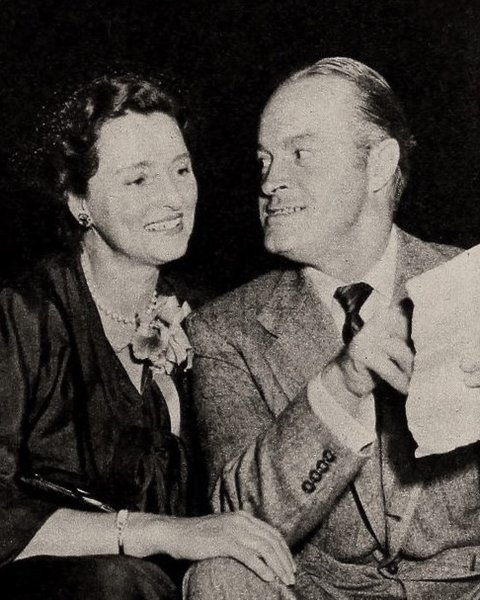
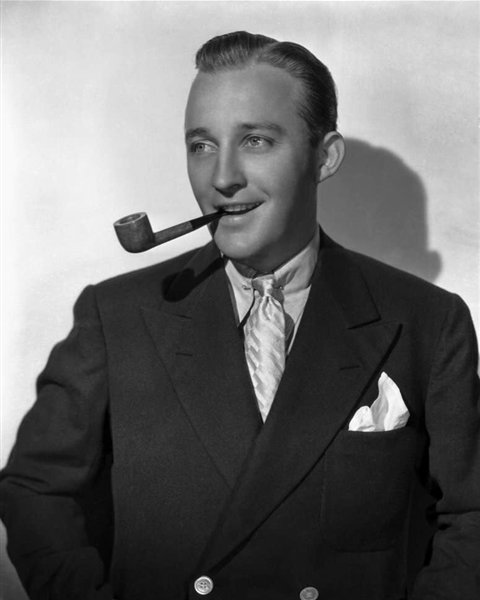
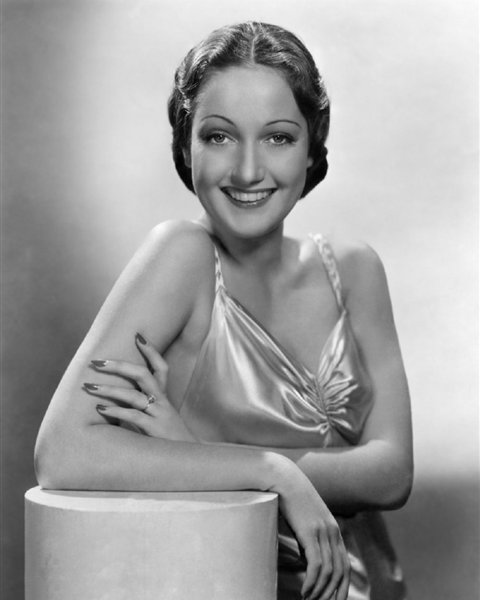
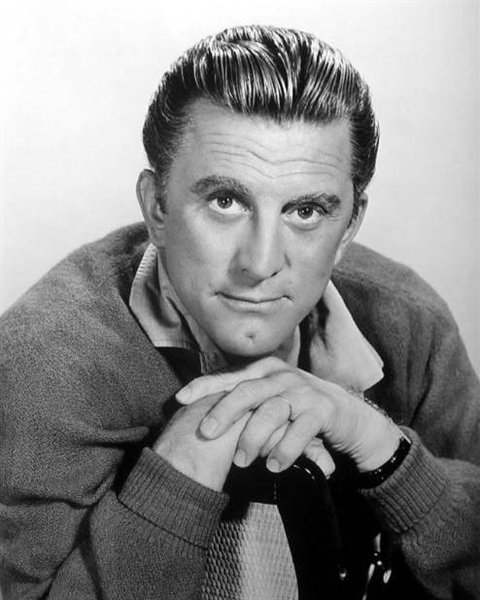
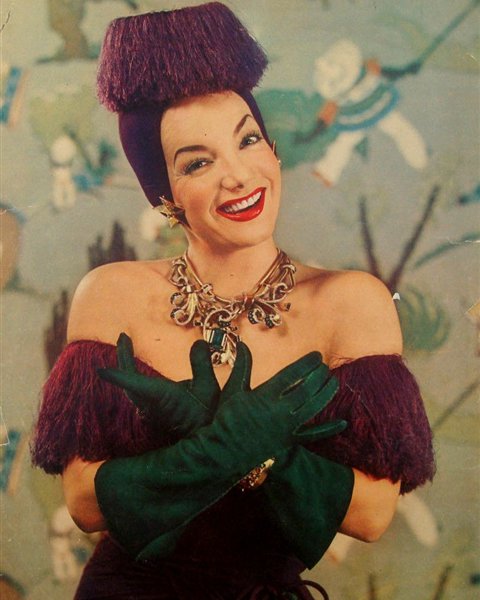
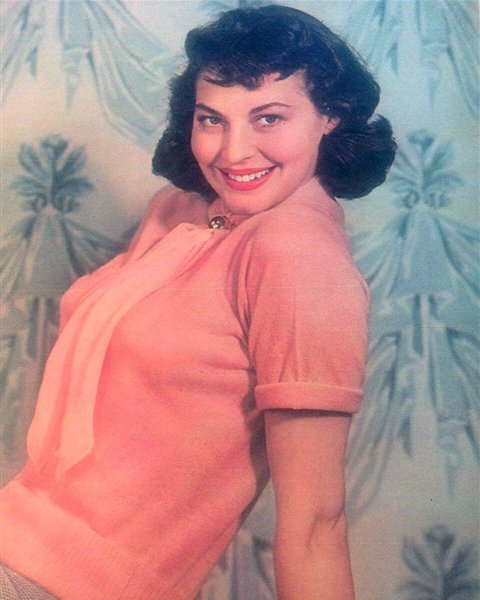
All portraits are public domain or openly licensed, sourced via Wikimedia Commons.
The Other Famous Neighbors
The movie stars came for the winters. The architects came to stay — and built their own houses on these streets, within walking distance of one another. What follows is how each of them signed the neighborhood.
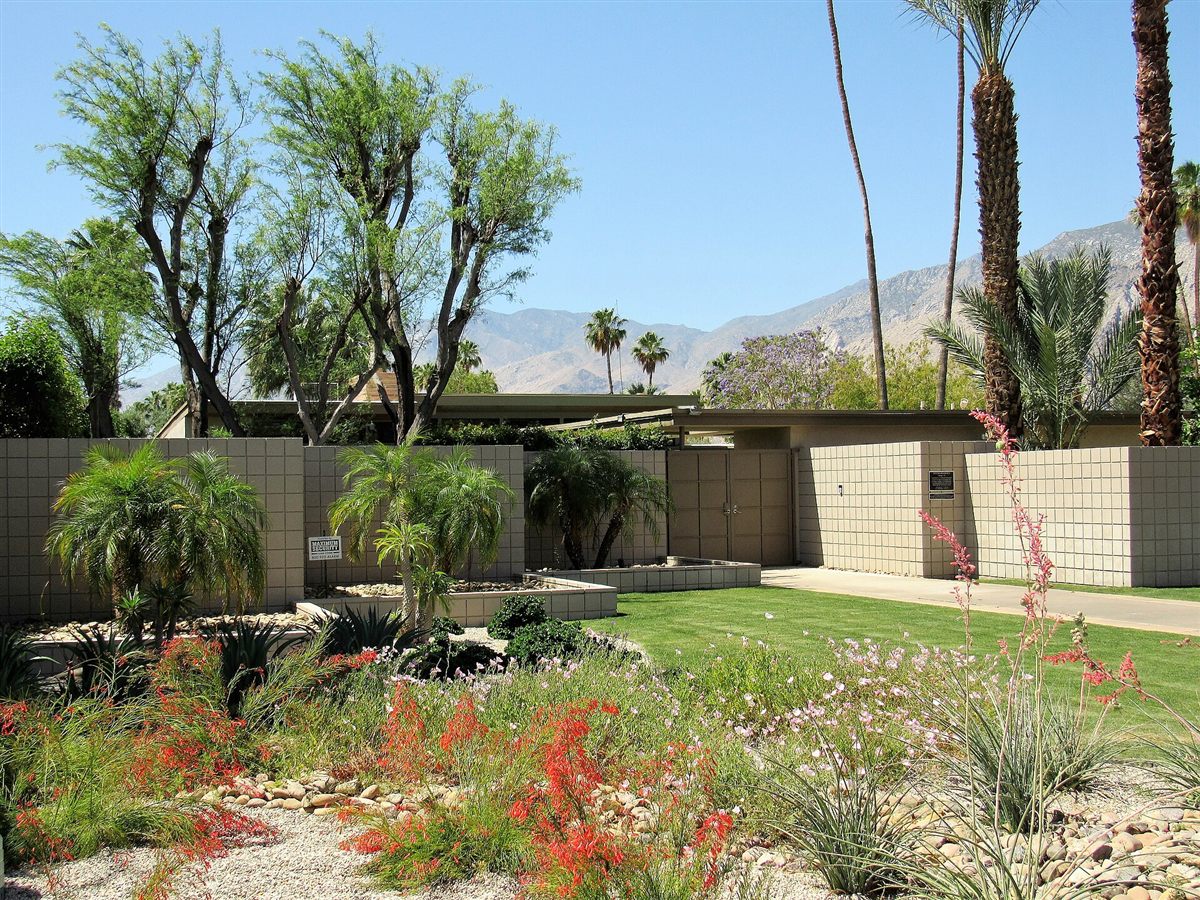
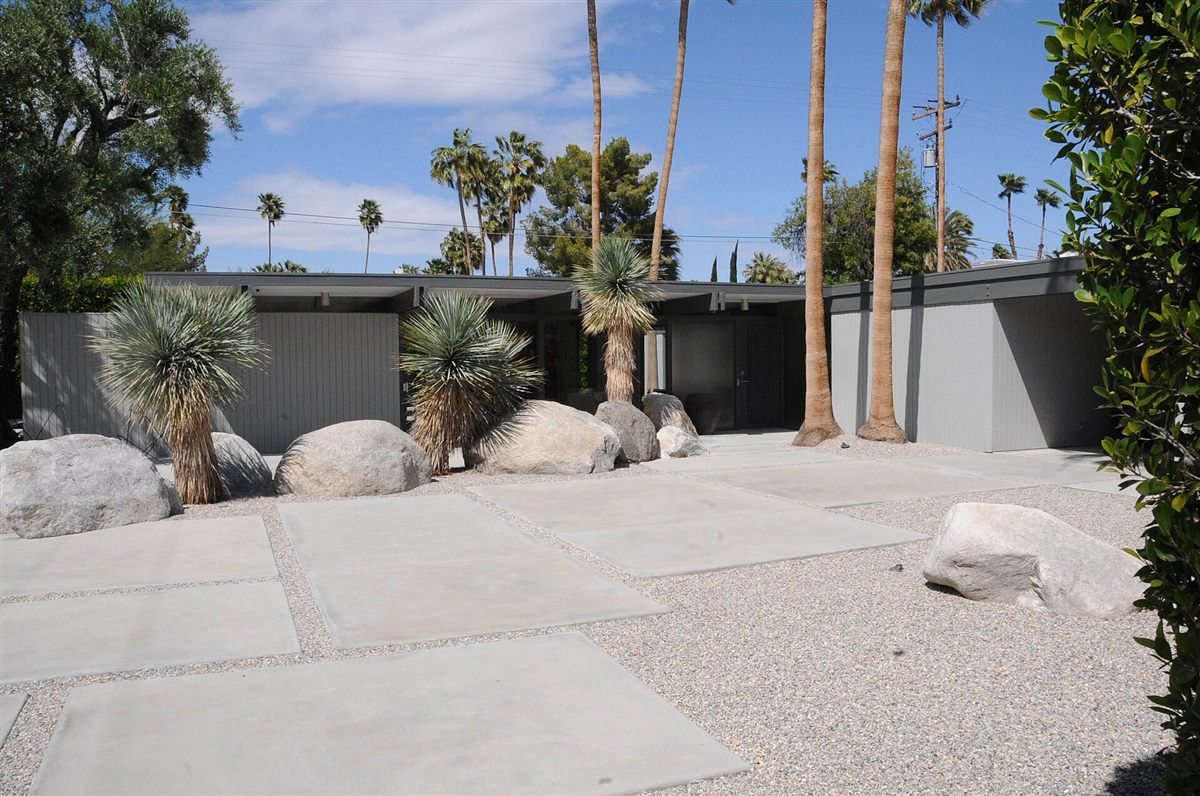
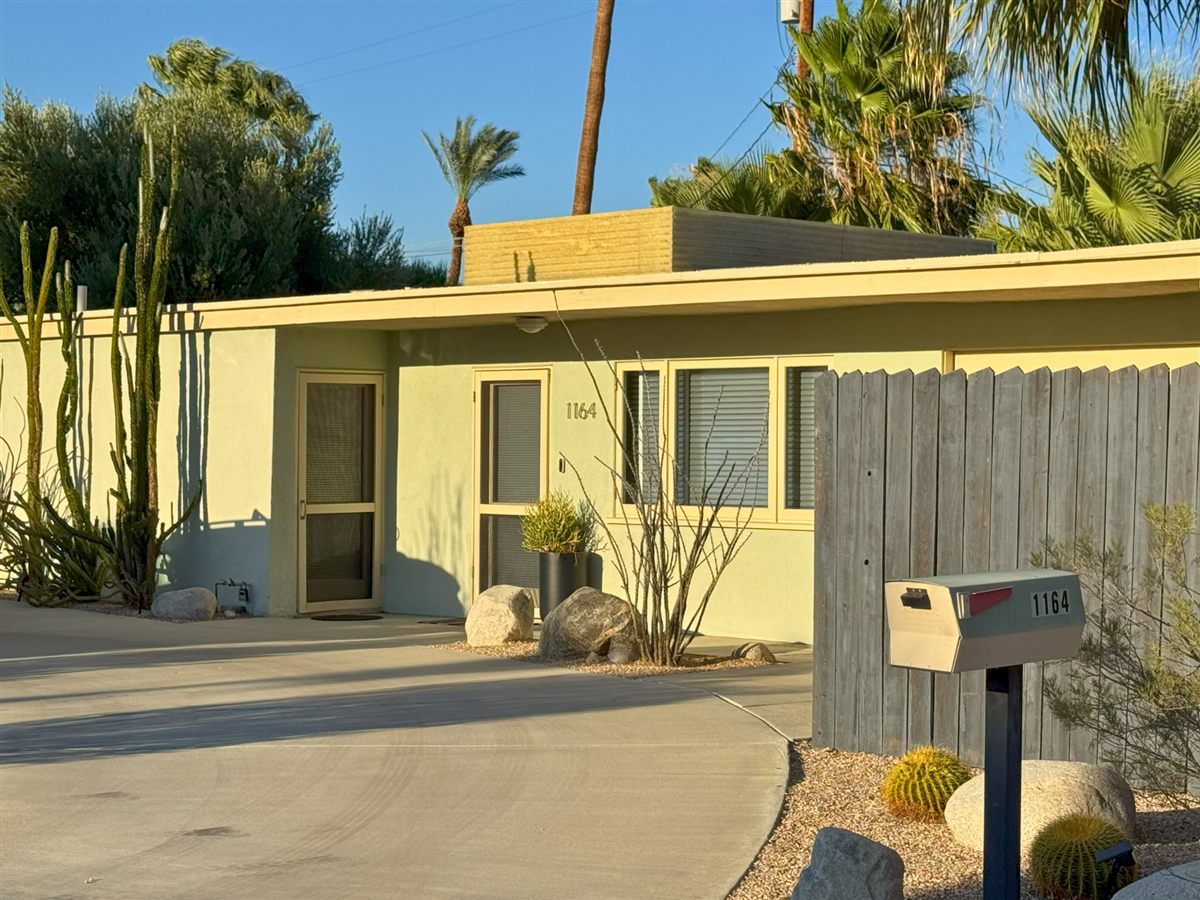
Why this matters more than the celebrity roster. On and around the old El Mirador golf course, Clark, Frey and Williams became architectural neighbors, with Wexler a short walk away on Verbena. Four people shaping how the desert would be lived in, watching one another’s answers to sun, wind, glass and shade — and testing them on their own families first.
Seen Around the Neighborhood
The real thing — our landmark homes and streets as they stand today, photographed by neighbors and archivists.
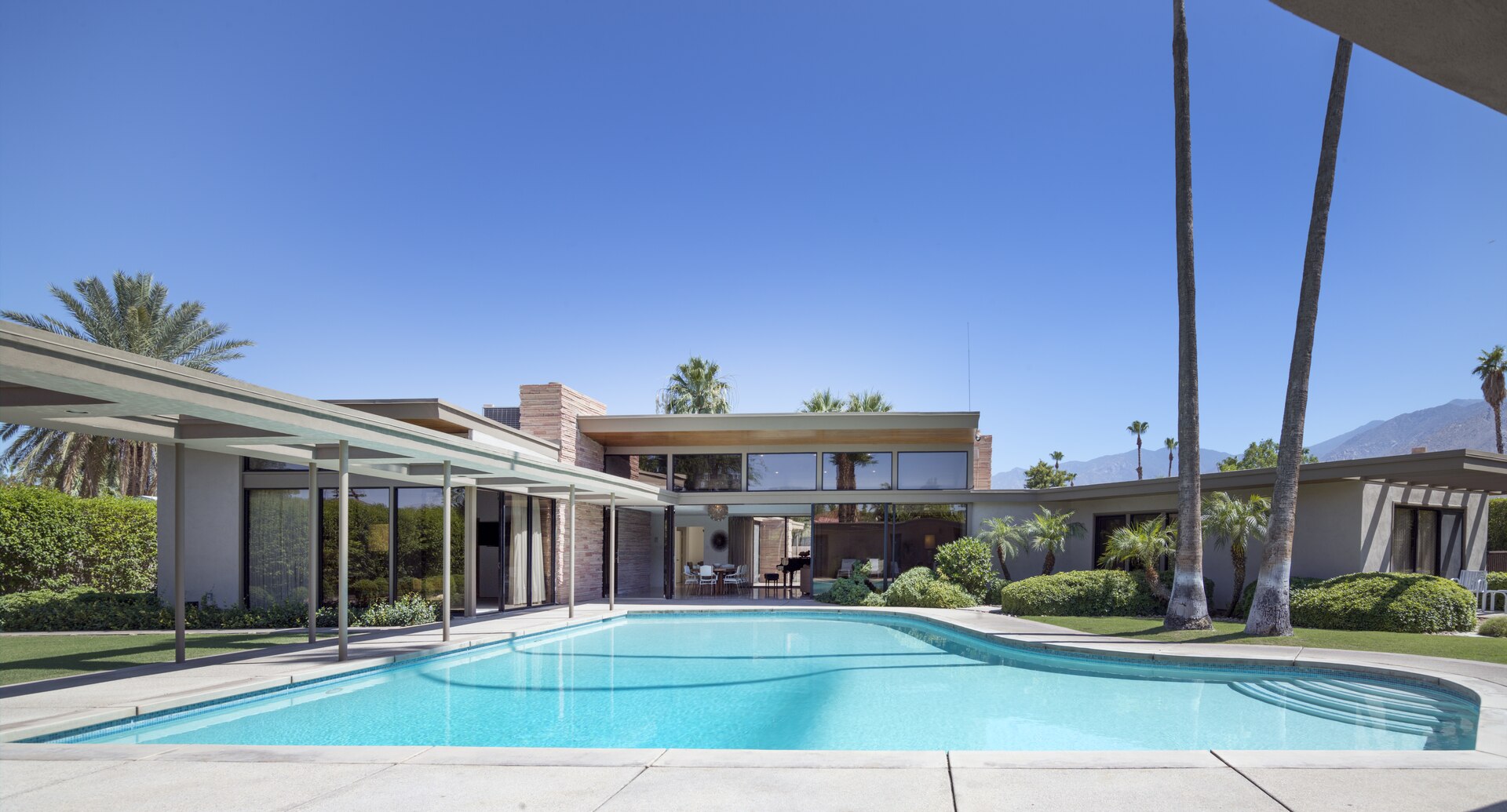
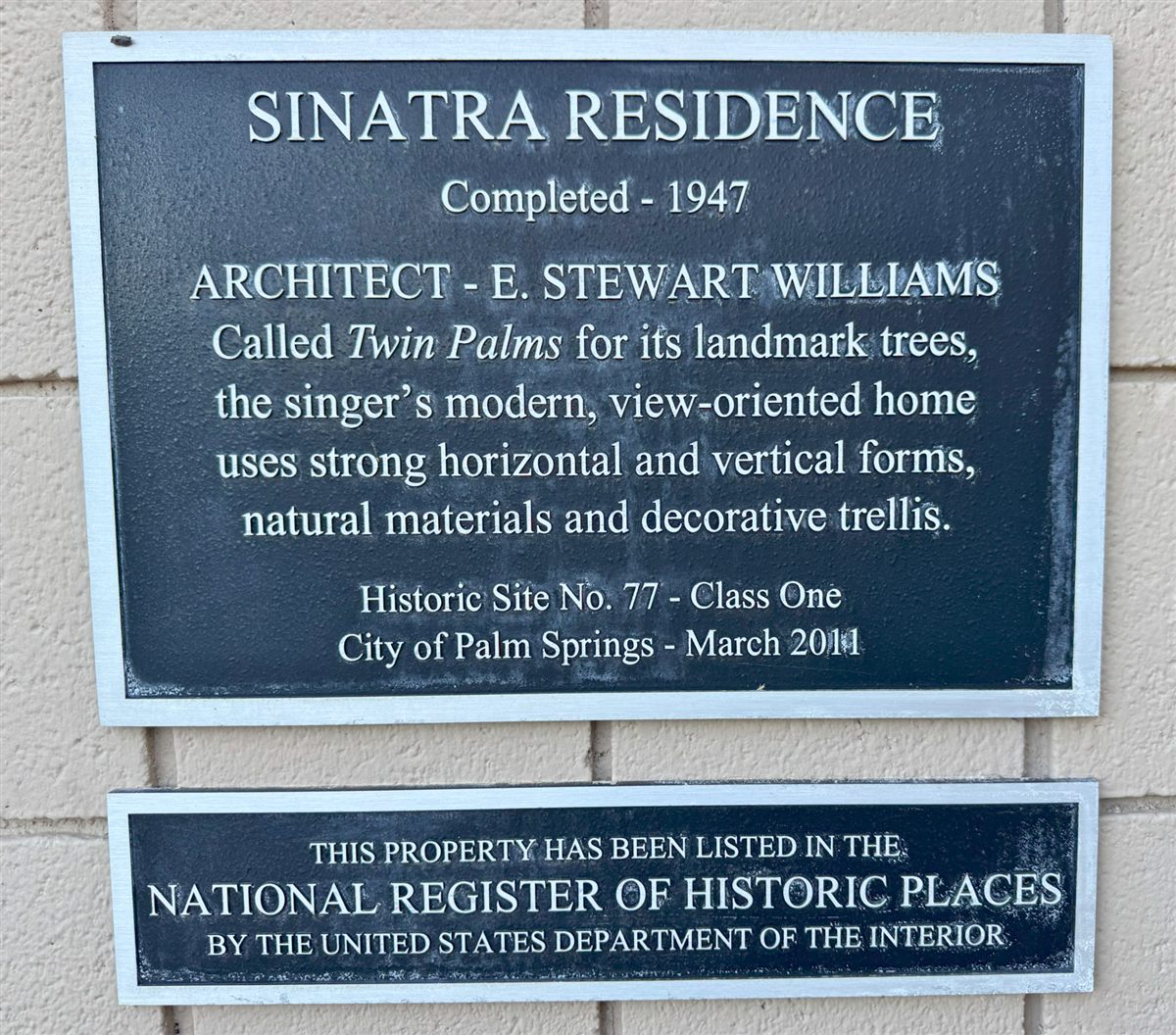
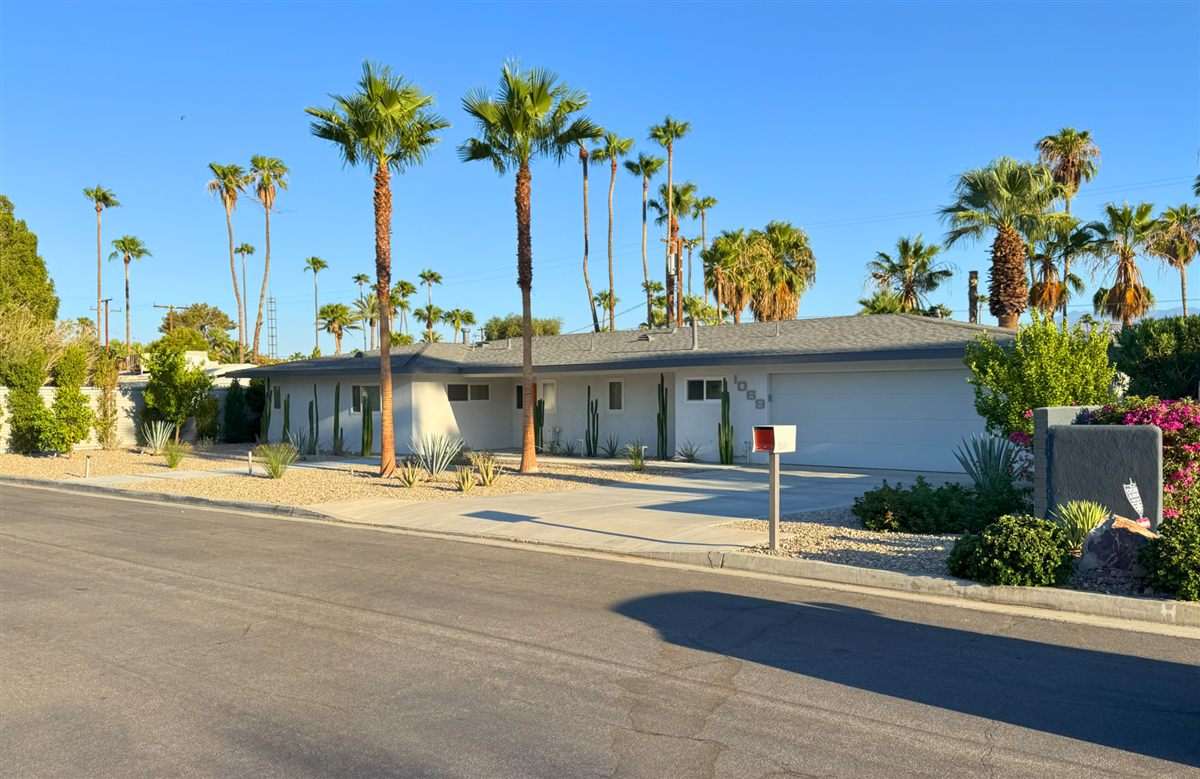
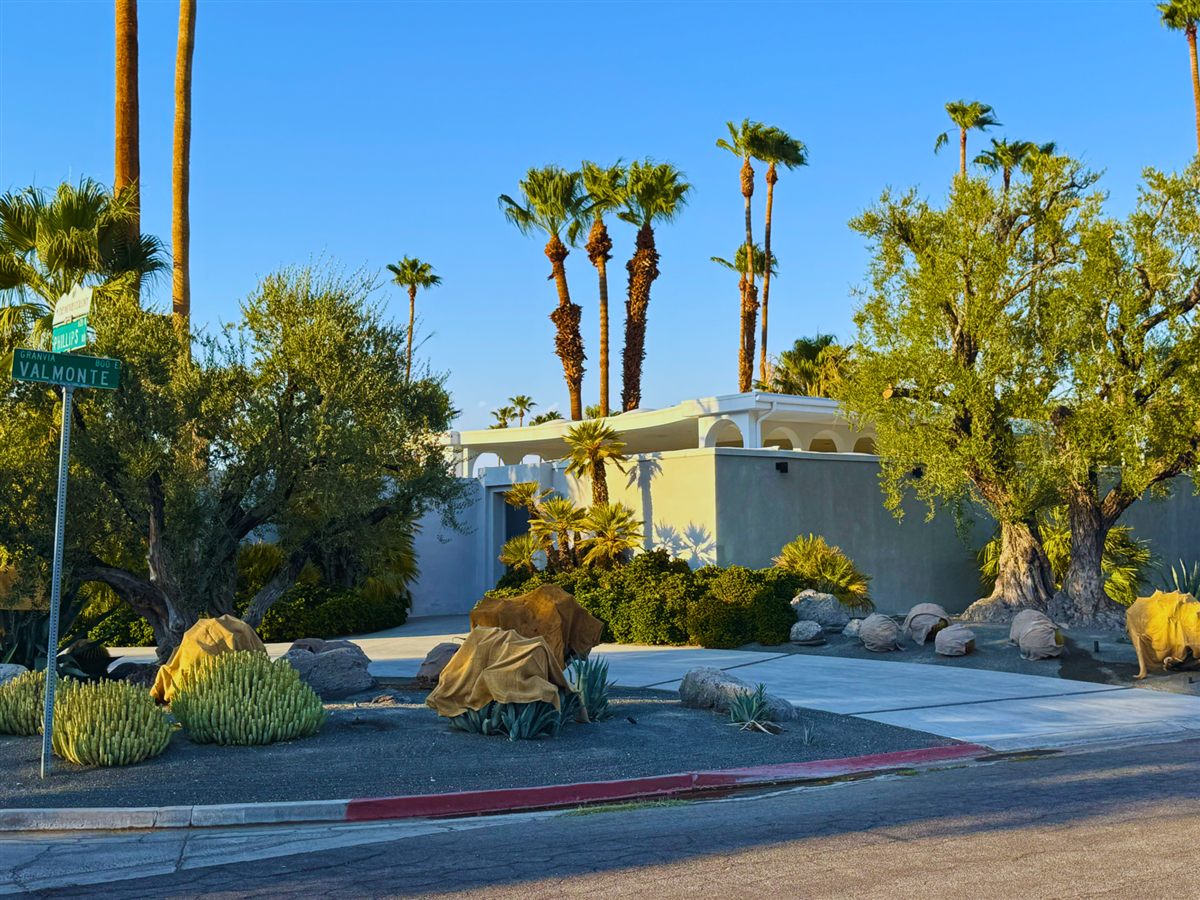
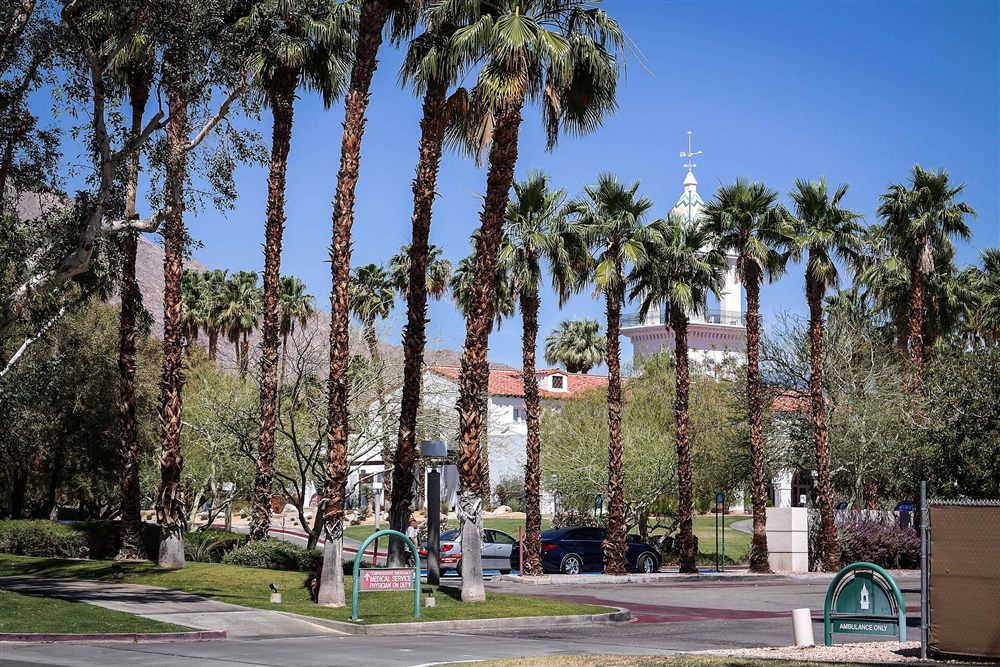
Photos via Wikimedia Commons; click any credit for the original file and license. Have great photos of the neighborhood — today or from the archives? Share them with us!
Through the Decades
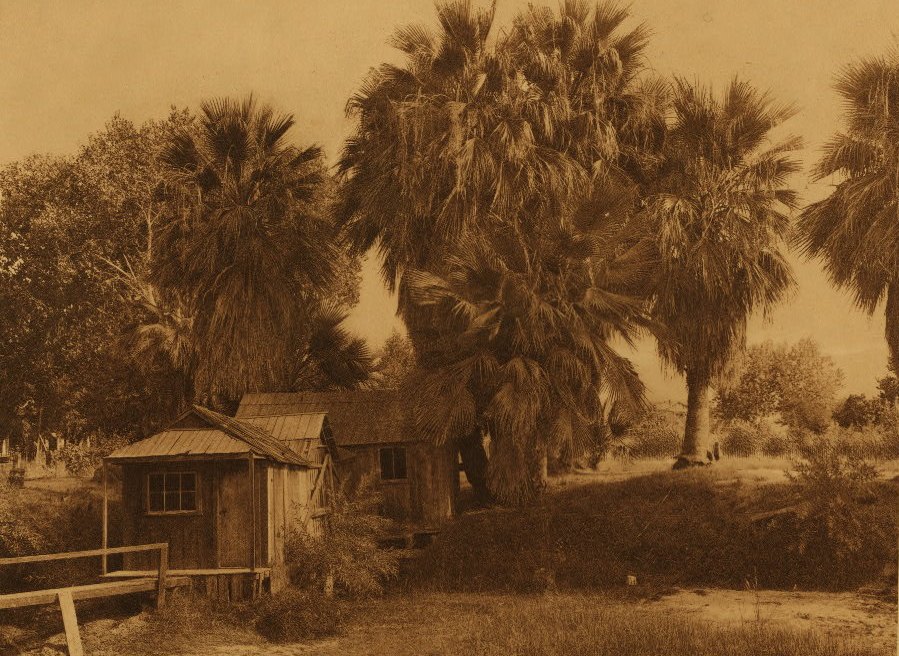
The Cahuilla people inhabit and steward this land. Movie Colony East stands on the ancestral homeland of the Agua Caliente Band of Cahuilla Indians, whose reservation marked its 150th anniversary in 2026.
Prescott T. Stevens opens the El Mirador Hotel — 200 rooms, an Olympic pool, and a private golf course that will one day become our streets.
The golf course and estate lands are subdivided as El Mirador Estates; the Desert Sands tract follows. In November 1936, crowds watch the all-electric, steel-framed General Houses Model Home rise on Tamarisk Road.
Architect John Porter Clark builds his own boldly modern house on Paseo El Mirador — corrugated metal, steel columns, and a living floor raised above the desert.
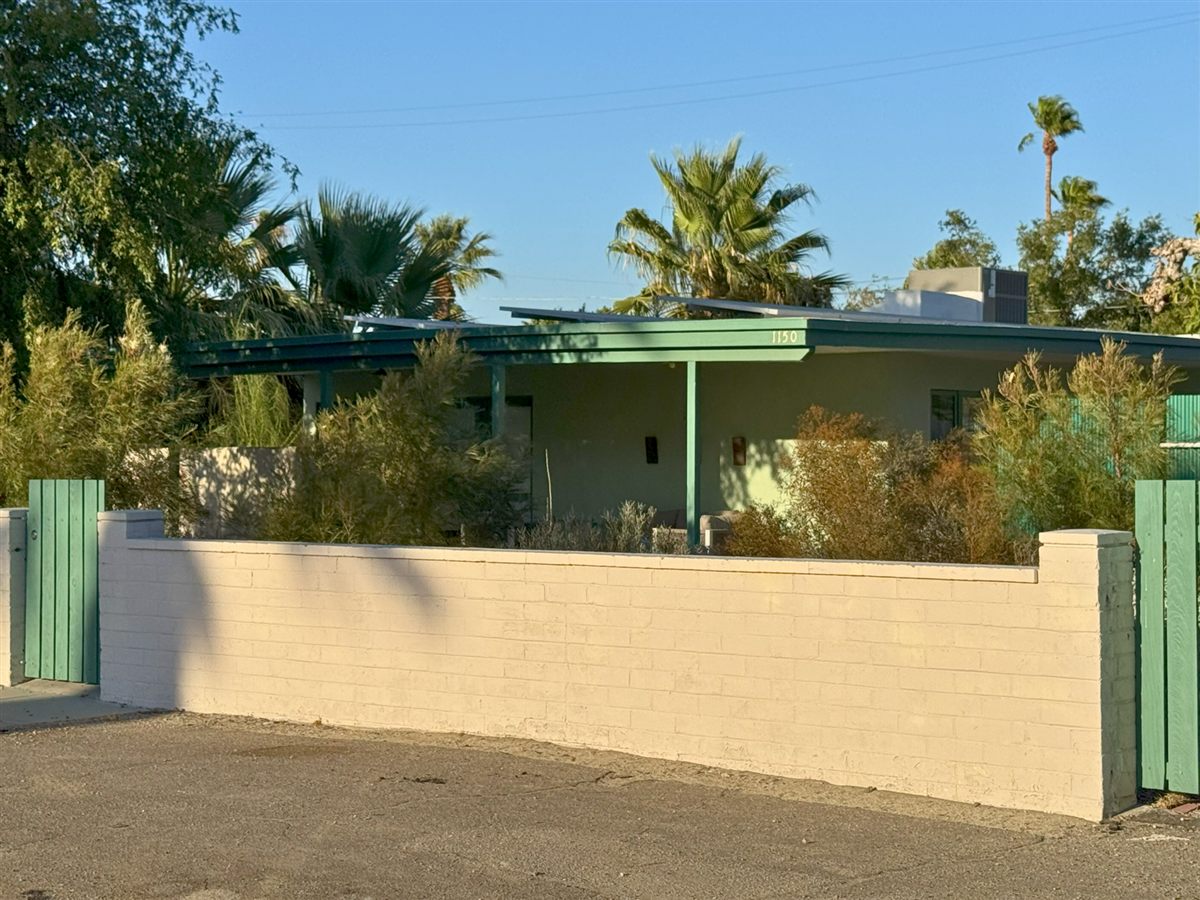
Clark & Frey design Bel Vista: fifteen affordable modern homes, one adaptable plan reversed lot to lot — tract modernism before the famous 1950s subdivisions.
Frank Sinatra moves into Twin Palms, E. Stewart Williams’s first residential commission — the house that helped define “Palm Springs modern.”
Tamarisk Park opens just west of the neighborhood, later renamed for pioneering councilmember Ruth Hardy — the city’s first female council member.
Donald Wexler and E. Stewart Williams each design their own family homes here — two masterclasses in desert living, a short walk apart.
Seven MCE homes earn Palm Springs Class 1 historic designation; at least five join the National Register of Historic Places.
Residents vote to rename the organization from Ruth Hardy Park to Movie Colony East, embracing the neighborhood’s Hollywood legacy.
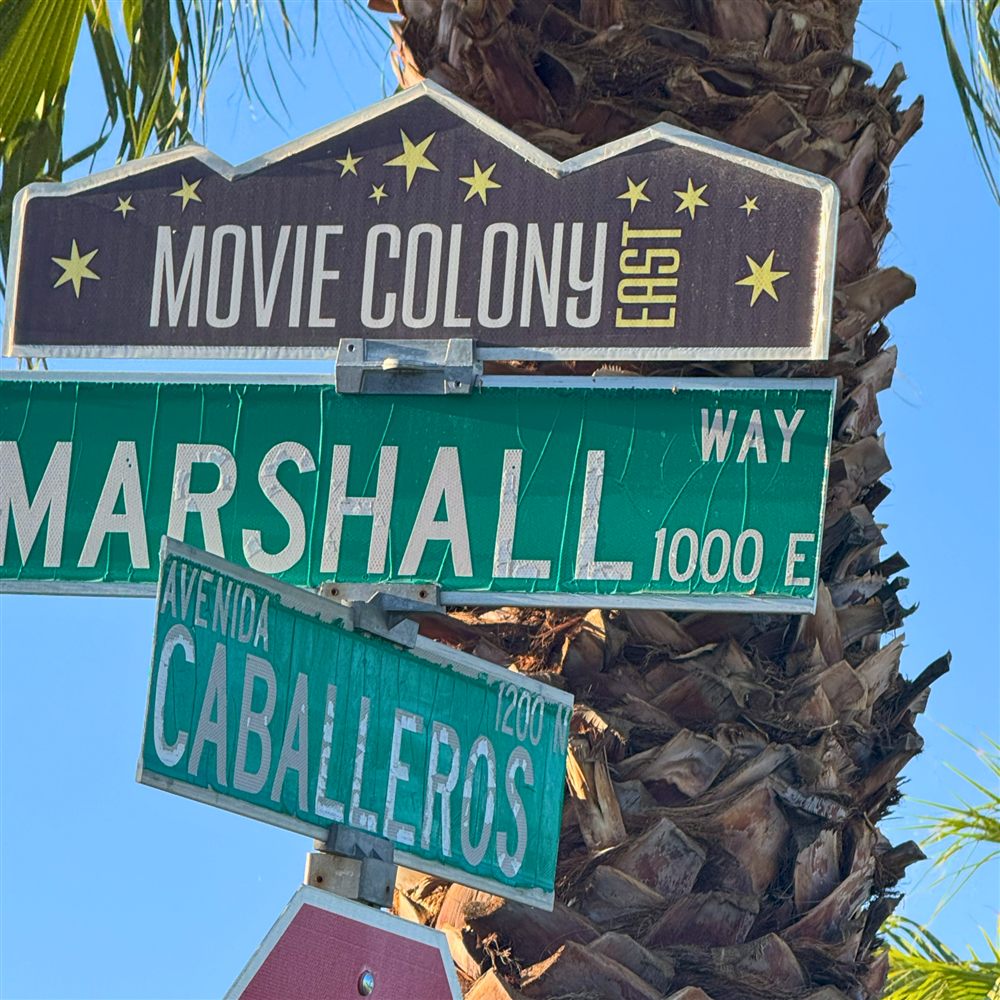
The final residence Donald Wexler helped design — a steel-and-glass house on land once part of the Sinatra estate — is completed. Modernism here is a living tradition, not a museum piece.
Landmark Status
Movie Colony East holds seven individually designated Palm Springs Class 1 historic sites, plus National Register listings — a concentration few neighborhoods anywhere can match.
| Property | Architect / Origin | Class 1 | National Register |
|---|---|---|---|
| Frank Sinatra Residence “Twin Palms” 1148 E. Alejo Road | E. Stewart Williams, 1947 | 2011 | 2016 |
| General Houses Model Home 1320 E Tamarisk Rd | General Houses prefab system, 1936 | 2013 | — |
| Bel Vista Residence No. 1 1164 N Calle Rolph | Clark & Frey, 1945 | 2016 | — |
| Bel Vista Residence No. 2 1520 E Tachevah Dr | Clark & Frey, 1945 | 2017 | 2020 |
| Donald Wexler Residence 1272 E Verbena Dr | Donald Wexler, 1955 | 2022 | 2019 |
| Harriet Van Horn Residence 1121 Linda Vista Rd | Documented by 1949 | 2024 | — |
| Bel Vista Residence No. 3 1150 N Calle Rolph | Clark & Frey, 1945 | 2024 | 2024 |
| E. Stewart & Mari Williams Residence 1314 Culver Pl | E. Stewart Williams, 1955 | — | 2016 |
Own a piece of history? Class 1 designation brings city review for demolition and major exterior changes — and may open the door to Mills Act property-tax benefits. Talk to Palm Springs Planning staff before starting work.
Tales From the Colony
Some are documented history; some are cherished neighborhood lore. We label which is which — because a good story deserves honesty as much as a good telling.
In 1947, Frank Sinatra reportedly strolled into the Williams brothers’ office eating an ice-cream cone and asked for a Georgian mansion — ready by Christmas. E. Stewart Williams talked him into a modern desert house instead. The result, Twin Palms, launched a career and helped invent the Palm Springs look.
In November 1936, neighbors gathered to watch a house go up like an appliance on an assembly line: steel frame, factory panels, all-electric everything. Palm Springs was testing radical ideas about modern living a full decade before the postwar boom.
Every winter, Amos ’n’ Andy broadcast to the nation from a studio in the El Mirador tower. The resort wasn’t just hosting Hollywood — it had become part of the entertainment machine itself.
In October 1969, Vice President Spiro Agnew visited Bob and Dolores Hope’s El Alameda home — a reminder that our streets once doubled as an informal meeting place for entertainment, politics, and philanthropy.
Old-timers say producer Darryl F. Zanuck won a Tamarisk Road estate from studio boss Joseph Schenck in a poker game — and that the area’s croquet matches got competitive enough for neighbors to call the police. We can’t prove it. We also can’t stop telling it.
Neighborhood tradition holds that Howard Hughes used a Pasatiempo home as a 1960s hideout, and that filmmaker Cameron Crowe spent part of his childhood a few doors away. Charming, plausible — and still awaiting the paper trail.
Every event, every new neighbor, every restored roofline adds a scene to the story. Be part of the next chapter.
Support MCE →